
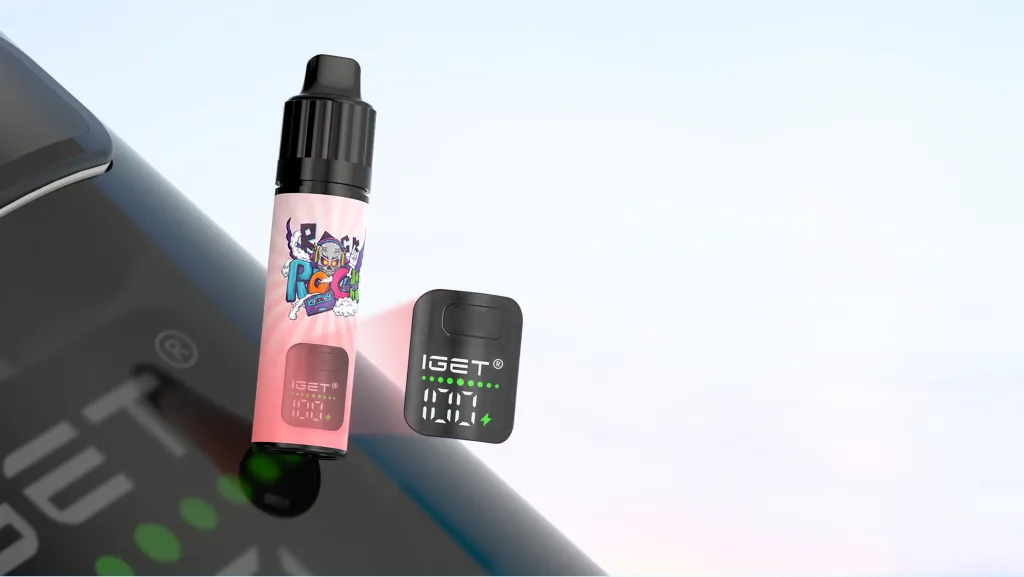
Understanding What Vapes Are
Vapes are electronic devices designed to heat a liquid, commonly called e-liquid or vape juice, to create an aerosol that users inhale. Unlike traditional cigarettes, which burn tobacco to produce smoke, vapes use an electronic heating element. This fundamental difference has contributed to their popularity and sparked extensive discussions about technology, consumer behavior, regulation, and public health.
The category of vapes includes a wide variety of products, from compact disposable devices to rechargeable pod systems and more advanced refillable models. Each type is designed with different features, sizes, battery capacities, and user experiences in mind. As technology has progressed, manufacturers have introduced increasingly sophisticated designs that focus on convenience, portability, and ease of use.
Understanding how vapes have developed requires looking at both their technical features and the broader trends influencing the industry. From changing device designs to evolving regulations, the vaping landscape continues to transform.
Key Features of Modern Vapes
One of the most noticeable features of modern vapes is their compact design. Many products are small enough to fit comfortably in a pocket or handbag, making portability a major factor in their appeal. Disposable models typically arrive pre-filled and ready to use, while reusable devices may feature replaceable pods, refillable tanks, or rechargeable batteries.
Battery technology is another important aspect. Rechargeable vapes can provide extended usage between charging sessions, while smaller devices prioritize portability. Some advanced models include adjustable power settings, allowing users to control the intensity of the heating process. Digital screens may display information such as battery levels and power settings, although simpler devices often use LED indicators instead.
Another key feature is the heating technology. The heating coil is responsible for warming the e-liquid and creating an aerosol. Different coil designs can influence vapor production and the overall experience. Manufacturers continually experiment with coil materials and configurations to improve consistency and efficiency.
The variety of available flavors has also played a significant role in the development of vapes. Depending on local regulations, products may be available in categories such as fruit, mint, dessert, or tobacco-inspired profiles. However, flavor availability varies considerably between markets because governments increasingly regulate flavored vaping products, particularly due to concerns about youth appeal.
Disposable and Reusable Devices
Vapes can generally be divided into disposable and reusable categories. Disposable devices are designed for limited use and are typically discarded once their e-liquid or battery is depleted. Their simple operation makes them attractive to people who prefer convenience without dealing with refilling or maintenance.
Reusable vapes, by comparison, are designed for longer-term use. These products may use refillable tanks or replaceable pods and require users to charge the battery. Although they require more maintenance, reusable systems can offer greater flexibility and customization.
The distinction between these categories has become increasingly important as environmental concerns grow. Disposable devices generate electronic and plastic waste, prompting discussions about recycling and responsible disposal. Some markets have responded with stricter rules concerning disposable vaping products, while manufacturers are exploring alternative designs and materials.
Technological Developments in the Vaping Industry
Technology has played a major role in the evolution of vapes. Early electronic cigarettes were relatively simple, but newer generations often incorporate improved battery systems, refined heating mechanisms, and enhanced airflow controls.
Some advanced devices allow users to adjust settings according to personal preferences. Temperature and power controls can provide greater customization, although such features are generally more common in advanced reusable systems than in basic disposable products.
Pod-based technology has also become increasingly prominent. Pod systems are typically smaller than traditional box-style devices and are designed around replaceable or refillable cartridges. Their compact form has helped make them one of the most recognizable categories in the modern vaping market.
Another development is the integration of smart technology. Certain devices have experimented with Bluetooth connectivity, mobile applications, usage monitoring, and security features. These technologies demonstrate how vaping products increasingly overlap with the broader consumer electronics sector.
Current Trends Shaping Vapes
The vaping industry has experienced several important trends. Convenience remains a major driver, with consumers often seeking products that are portable, straightforward, and easy to operate. This has contributed to the popularity of compact pod systems and disposable formats in many markets.
Design is another significant trend. Manufacturers increasingly focus on creating sleek, minimalist products with ergonomic shapes. Rather than treating vapes solely as functional devices, companies often approach their appearance as part of the overall consumer experience.
Sustainability is becoming an increasingly important topic. Concerns about disposable products have encouraged conversations about recycling, battery recovery, and environmentally responsible manufacturing. Some companies are exploring reusable components and improved recycling programs to reduce waste.
Regulatory changes are also shaping the industry. Governments around the world have introduced different approaches to vaping, ranging from strict restrictions to regulated legal markets. Rules may cover advertising, packaging, product standards, age restrictions, flavor availability, and sales channels. As regulations evolve, manufacturers and retailers must adapt their products and business practices accordingly.
Vapes and Public Health Discussions
Any discussion about vapes must include the ongoing public health debate. Health authorities generally emphasize that vaping is not risk-free. Aerosols produced by vaping products can contain substances that may affect health, and the long-term effects of vaping continue to be studied.
At the same time, public health discussions often distinguish between vaping and traditional combustible tobacco products. Some researchers and health organizations have examined whether vaping may have a role in helping adult smokers move away from combustible cigarettes. However, the evidence, policies, and recommendations differ across countries.
A major concern is youth use. The availability of appealing flavors, attractive designs, and social media exposure has raised concerns about young people becoming interested in vaping. Consequently, many jurisdictions have strengthened age restrictions, marketing rules, and enforcement measures.
Consumers should therefore approach information about vapes carefully and consider credible health guidance. Claims made by manufacturers, retailers, influencers, or online communities may not always provide a complete picture of potential risks.
The Future of Vaping Technology
The future of vapes is likely to be shaped by a combination of technology, regulation, consumer preferences, and public health considerations. Manufacturers may continue developing smaller and more efficient devices while exploring improved battery performance and materials.
Sustainability could become one of the most influential areas of innovation. As environmental concerns increase, companies may focus more heavily on reusable designs, recyclable components, and responsible battery management. Regulatory pressure could accelerate these changes.
Product safety is another likely area of development. Improvements in battery protection, charging systems, and manufacturing standards may help reduce risks associated with improper use or defective products. Clearer labeling and stronger quality controls could also become more common.
At the same time, regulations will continue to influence what products can be sold and how they can be marketed. The vaping industry may therefore become increasingly standardized in some regions while remaining highly diverse in others.
Making Sense of the Vaping Landscape
Vapes have developed from relatively simple electronic alternatives to a broad category of technologically advanced consumer products. Their evolution has been driven by innovations in battery systems, heating technology, pod designs, flavors, portability, and digital features.
However, the future of vaping cannot be understood through technology alone. Public health concerns, youth access, environmental impact, and government regulation are equally important factors. These issues will continue to influence how products are designed, manufactured, sold, and used.
For anyone seeking to understand vapes, it is important to consider the full picture. The industry represents a rapidly changing intersection of consumer technology, regulation, and health research. As new developments emerge, informed consumers and policymakers will need to evaluate both the potential benefits and the possible risks associated with these products.