
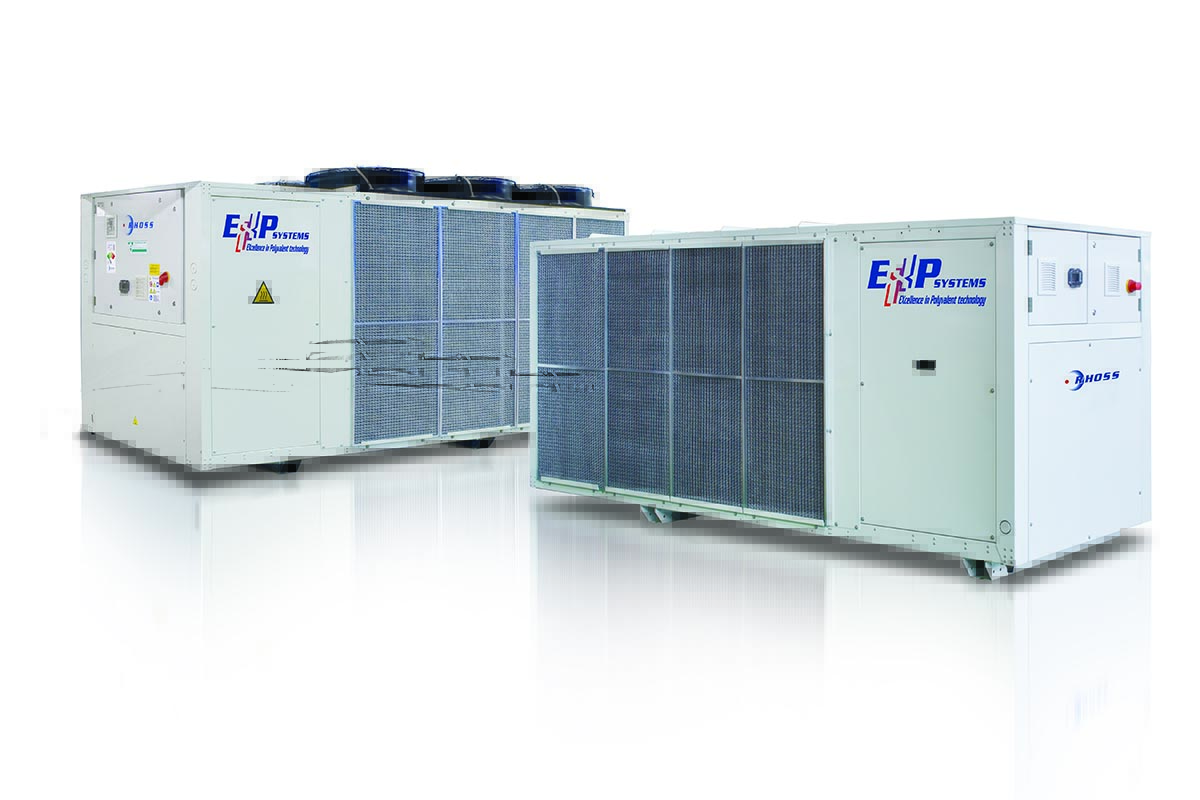
Understanding Residential Heat Pumps
Residential heat pumps have become an increasingly popular solution for homeowners seeking efficient heating and cooling throughout the year. Unlike traditional heating systems that generate heat by burning fuel or using electrical resistance, a heat pump transfers heat from one location to another. During colder months, it can extract available heat from outdoor air and move it indoors. In warmer weather, the process can be reversed to remove heat from the home and provide cooling.
This ability to handle both heating and cooling makes residential heat pumps a versatile option for modern homes. As energy costs and environmental concerns continue to influence household decisions, many homeowners are exploring technologies that can provide reliable comfort while reducing unnecessary energy consumption. Heat pump systems can offer an effective approach to achieving these goals when properly selected, installed, and maintained.
How Heat Pumps Work
The basic operation of a heat pump is based on heat transfer. A typical system uses a refrigerant cycle involving components such as a compressor, condenser, expansion valve, and evaporator. These components work together to move thermal energy between the indoor and outdoor environments.
In heating mode, the outdoor unit absorbs heat from the surrounding air, even when outdoor temperatures are relatively low. The refrigerant carries this energy through the system, where it is compressed and increased in temperature before the heat is released inside the home.
In cooling mode, the process operates in reverse. The system extracts heat from indoor air and transfers it outside, helping maintain a comfortable indoor temperature. Because one system can provide both heating and cooling, homeowners may not need separate equipment for different seasons.
Key Benefits of Residential Heat Pumps
One of the biggest advantages of residential heat pumps is their versatility. A single system can often provide heating, cooling, and in some cases humidity management, depending on the equipment and installation. This integrated approach can simplify home climate control while reducing the need for multiple standalone systems.
Energy efficiency is another major benefit. Traditional electric resistance heaters convert electricity directly into heat, while heat pumps move existing thermal energy. This can allow a heat pump to deliver more heating energy than the electrical energy it consumes, making it an attractive option for energy-conscious households.
Heat pumps can also provide consistent indoor comfort. Modern systems are designed to maintain stable temperatures by operating at variable speeds or adjusting output according to household demand. Instead of repeatedly switching between full power and complete shutdown, some advanced models can operate at lower capacity for longer periods, helping create a more even indoor environment.
Energy-Saving Advantages
The energy-saving potential of residential heat pumps is one of the main reasons homeowners consider replacing conventional heating equipment. Since heat pumps transfer heat rather than relying solely on fuel combustion or electrical resistance, they can reduce energy consumption under suitable operating conditions.
High-efficiency models may include variable-speed compressors, advanced refrigerants, smart controls, and improved heat exchangers. These technologies allow systems to adapt to changing conditions and household requirements. When a home is well insulated and the heat pump is correctly sized, the system can operate efficiently without unnecessary energy use.
Another advantage is the potential to combine a heat pump with renewable energy. Homeowners with solar photovoltaic panels may be able to use some of their generated electricity to power the heat pump. While actual savings depend on factors such as local energy prices, climate, system efficiency, and solar production, combining efficient heating technology with renewable electricity can support a lower-energy household.
Important Features to Consider
When evaluating residential heat pumps, homeowners should consider several features rather than focusing only on the purchase price. Efficiency ratings are important because they provide an indication of how effectively the equipment uses energy. Higher-efficiency systems may have greater upfront costs but could provide lower operating expenses over their service life.
Variable-speed technology is another valuable feature. Instead of operating only at fixed output levels, variable-speed systems can adjust their performance according to demand. This can improve comfort and potentially reduce energy waste, particularly during periods when the home requires only moderate heating or cooling.
Cold-climate performance is also important for homes located in regions with harsh winters. Some modern air-source heat pumps are specifically engineered to maintain effective operation at low outdoor temperatures. Homeowners should select equipment appropriate for their local climate and discuss backup heating requirements with a qualified professional.
Smart thermostats and connected controls can further improve system management. These features may allow users to schedule temperature changes, monitor energy use, and adjust settings remotely. Automated controls can help prevent unnecessary heating or cooling when nobody is home.
Air-Source and Ground-Source Options
There are several types of heat pumps available for residential applications. Air-source heat pumps are among the most common because they exchange heat with the outdoor air. They are generally easier to install than ground-source systems and can be suitable for many different property types.
Ground-source, or geothermal, heat pumps exchange heat with the ground through underground loops. Because ground temperatures tend to remain more stable than outdoor air temperatures, these systems can operate efficiently throughout the year. However, installation can be more complex and expensive because it requires appropriate land and specialized ground-loop installation.
Ductless mini-split heat pumps are another option. These systems can be useful in homes without existing ductwork or in properties where individual rooms require independent temperature control. A single outdoor unit may serve multiple indoor units, depending on the system design.
Installation and Proper Sizing
Even the most efficient heat pump may perform poorly if it is incorrectly sized or installed. A system that is too small may struggle to maintain comfortable temperatures, while an oversized unit may cycle inefficiently and provide less consistent comfort.
Professional assessment should consider factors such as home size, insulation levels, window performance, local climate, air leakage, and existing ductwork. Proper installation also includes correct refrigerant charging, airflow management, electrical connections, and system configuration.
Homeowners should also consider the placement of both indoor and outdoor components. The outdoor unit needs sufficient airflow and should be positioned to reduce exposure to excessive snow, debris, or other obstructions. Regular maintenance can help preserve efficiency and extend equipment life.
Maintenance and Long-Term Performance
Routine maintenance is essential for keeping residential heat pumps operating effectively. Homeowners should follow the manufacturer’s recommendations for filter replacement or cleaning. Dirty filters can restrict airflow and force the system to work harder, potentially increasing energy consumption.
Professional inspections can help identify issues involving refrigerant levels, electrical components, coils, fans, and drainage. Keeping outdoor units clear of leaves, grass, and other debris can also support proper airflow.
Regular maintenance may improve reliability and help detect small problems before they develop into costly repairs. It can also ensure that the system continues to deliver the expected level of heating and cooling performance over time.
Environmental Considerations
Heat pumps can contribute to lower household emissions when they replace fossil-fuel-based heating systems, particularly when powered by an increasingly renewable electricity grid. Their environmental impact depends on electricity generation, equipment efficiency, refrigerant selection, and system lifespan.
Newer technologies are also focusing on refrigerants with lower global warming potential and improved overall efficiency. As standards and technologies evolve, homeowners have more opportunities to select systems designed with both energy performance and environmental considerations in mind.
Is a Heat Pump Right for Your Home?
The suitability of residential heat pumps depends on several factors, including climate, home construction, insulation, electricity costs, and existing heating equipment. Homes in moderate climates may benefit significantly from efficient heat pump operation, while cold-climate households may need systems specifically designed for low temperatures or a supplemental heating source.
Before making a decision, homeowners should compare installation costs, expected energy consumption, available incentives, maintenance requirements, and long-term operating expenses. A qualified HVAC professional can evaluate the property and recommend a system based on actual heating and cooling requirements.
The Future of Home Heating and Cooling
As homeowners increasingly prioritize energy efficiency and year-round comfort, residential heat pumps are likely to remain an important part of the modern home energy landscape. Improvements in compressor technology, smart controls, cold-weather performance, and refrigerant design continue to expand their capabilities.
For households looking to reduce energy consumption while maintaining reliable indoor comfort, heat pumps offer a flexible and potentially efficient alternative to conventional systems. With proper sizing, professional installation, and regular maintenance, these systems can provide dependable heating and cooling while supporting long-term energy-saving goals.