
Breaking into the music industry is challenging, especially for emerging musicians competing for attention in a crowded digital environment. Creating great music is only one part of building a successful career. Artists also need effective ways to introduce their work rock music pr companies to new listeners, strengthen their identity, and maintain meaningful connections with their audience. With the right music promotion strategies, independent musicians can gradually increase their visibility and create opportunities for long-term growth.
Build a Strong Artist Identity
Before promoting music, an emerging musician should establish a recognizable identity. This includes an artist name, visual style, biography, photography, and overall tone that reflects the music. A consistent identity helps listeners remember an artist after discovering a song for the first time.
Branding does not have to be complicated. A clear color style, professional artwork, consistent social media presentation, and authentic artist story can make promotional content feel more connected. The goal is to create an identity that matches the musician’s genre and personality without appearing artificial.
Create a Professional Online Presence
A professional online presence gives potential listeners a central place to discover an artist. Musicians should maintain updated profiles across relevant music and social platforms. Artist biographies, profile images, links, release information, and contact details should remain accurate.
A simple website can also provide a valuable home for an artist’s music. It can include a biography, discography, upcoming events, press information, merchandise details, and links to streaming platforms. Having an organized online presence makes an emerging musician appear more prepared when industry professionals, event organizers, bloggers, or new listeners discover their work.
Focus on High-Quality Music Releases
Promotion works best when the music itself is prepared carefully. Emerging artists should prioritize strong songwriting, recording quality, mixing, mastering, artwork, and release planning.
Instead of releasing music without a strategy, musicians can create a schedule around singles, extended projects, or albums. Each release can become an opportunity for multiple promotional activities. Teasers, behind-the-scenes content, short previews, interviews, and visual posts can help maintain attention before and after launch day.
A well-planned release gives an artist more opportunities to communicate with listeners rather than relying on a single announcement.
Use Social Media Consistently
Social media remains an important part of music promotion because it allows musicians to communicate directly with potential fans. However, successful promotion is not simply about posting links to songs repeatedly.
Artists can share rehearsal clips, songwriting moments, studio sessions, live performances, acoustic versions, music-related stories, and short educational or entertaining content. These formats give audiences a reason to follow the artist beyond individual releases.
Consistency is also important. A musician does not necessarily need to post every day, but maintaining a predictable schedule can help keep the audience engaged. Each platform may require a slightly different approach, so artists should experiment with content and identify what resonates with their listeners.
Encourage Audience Interaction
Music promotion becomes more effective when it develops into a two-way relationship. Instead of treating followers as numbers, musicians can encourage genuine conversations around their work.
Artists can ask listeners which songs they prefer, invite opinions about upcoming releases, respond to comments, and acknowledge supportive messages. They can also create interactive content around lyrics, song meanings, creative decisions, or upcoming performances.
Small interactions can help listeners feel connected to an artist’s journey. Over time, these relationships can turn casual listeners into loyal supporters who actively share new music with others.
Work With Other Musicians
Collaboration can introduce emerging musicians to audiences they might not reach independently. Artists can work together on songs, live performances, interviews, social media content, or creative projects.
The most useful collaborations are usually based on genuine compatibility rather than simply pursuing follower numbers. Musicians with related genres, complementary styles, or similar audiences can create projects that benefit everyone involved.
Collaborations can also encourage creative development. Working with other artists may introduce new songwriting techniques, production ideas, performance approaches, and promotional perspectives.
Connect With Music Communities
Online and local music communities can provide valuable opportunities for emerging artists. Musicians can participate in relevant discussions, attend events, join creative communities, and build relationships with other people working in the industry.
Local opportunities should not be overlooked. Open-mic events, independent concerts, community festivals, and small venues can help musicians develop performance experience while meeting potential fans and industry contacts.
Networking works best when it is based on genuine relationships. Instead of immediately asking people for promotion, artists can support other musicians, attend events, share useful opportunities, and gradually develop professional connections.
Use Music Blogs and Media Outreach
Music blogs, independent publications, podcasts, and online media outlets can help emerging musicians reach interested audiences. Artists can prepare a professional press kit containing a short biography, high-quality photos, music links, release information, and relevant contact details.
When contacting media outlets, personalized communication is generally more effective than sending the same generic message to everyone. Artists should research each publication and explain why their music may be relevant to its audience.
Media coverage is not guaranteed, but consistent and professional outreach can create opportunities for interviews, reviews, premieres, playlists, and other forms of exposure.
Develop a Smart Release Campaign
A release campaign should begin before the music becomes available. Several weeks of preparation can create anticipation without overwhelming the audience.
Artists might announce an upcoming release, share artwork, publish a short preview, reveal the release date, and introduce the story behind the song. After launch, they can continue promoting the track through live performances, interviews, short-form content, fan interactions, and additional creative material.
This approach gives one song a longer promotional life. Rather than treating release day as the end of the campaign, musicians can use it as the beginning of a broader conversation.
Track Results and Improve
Effective music promotion requires experimentation. Not every strategy will produce the same results for every artist. Musicians should monitor useful indicators such as streams, audience engagement, website visits, video views, follower growth, playlist additions, and event attendance.
The purpose of tracking performance is not simply to chase numbers. Data can help artists understand what their audience responds to and where promotional efforts are producing meaningful results.
For example, if behind-the-scenes videos consistently receive strong engagement, an artist may create more content in that format. If a particular type of post receives little attention, the musician can test a different approach.
Consider Live Performances
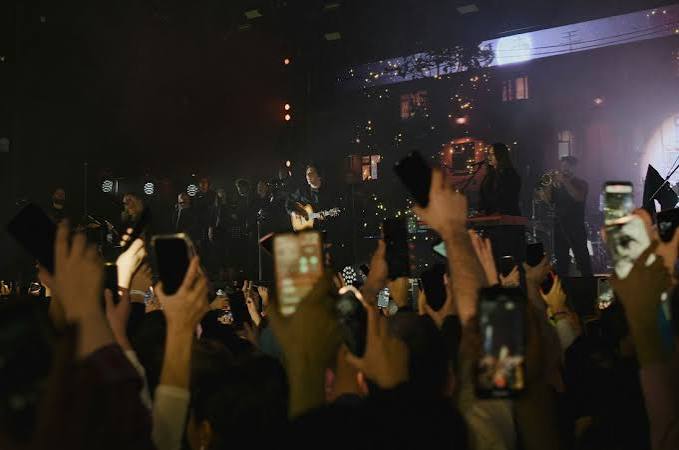
Live music remains an important promotional tool because it creates a direct connection between artists and audiences. Emerging musicians can perform at local venues, community events, showcases, and independent concerts where appropriate.
A strong live performance can encourage people to search for an artist afterward, follow their social accounts, and listen to their recordings. Musicians can also capture high-quality footage from performances and use it as promotional content online.
Stay Authentic and Patient
Music promotion is rarely an overnight process. Emerging musicians may need time to develop their audience, refine their sound, and discover which promotional methods work best.
Authenticity is especially valuable. Audiences are more likely to connect with artists who communicate naturally and share a genuine creative journey. Musicians should avoid trying to imitate every popular trend. Instead, trends can be adapted in ways that fit their own identity.
Patience also matters. A small increase in listeners, a successful local performance, or one meaningful industry connection can become part of a larger career path.
Conclusion
Effective music promotion for emerging musicians involves much more than advertising a new song. It combines strong music, consistent branding, social media activity, audience engagement, collaboration, networking, media outreach, live performances, and thoughtful release planning. Most importantly, promotion should support the artist’s long-term identity rather than focus only on short-term attention.
By experimenting with different strategies, measuring meaningful results, and building genuine relationships with listeners and other music professionals, emerging musicians can steadily expand their reach. With creativity, consistency, and patience, a well-planned music promotion strategy can help transform an independent release into the foundation of a growing musical career.