
Technology continues to transform how people work, communicate, exercise, learn, and entertain themselves. From smart rings and wireless earbuds to laptops, smartphones, and smart home devices, modern gadgets offer countless ways to make everyday activities easier. However, with so many products available, choosing the right device can be challenging. Reading reliable gadget and tech reviews before making a purchase can help you understand product features, compare alternatives, and decide whether a particular gadget is worth your money.
The best technology reviews go beyond listing specifications. They explain how a product performs in everyday situations, identify its strengths and weaknesses, discuss value for money, and help readers determine whether it meets their individual needs. Whether you are purchasing a fitness tracker, upgrading your smartphone, or exploring wearable technology, a well-researched review can make the decision-making process much simpler.
Why Gadget and Tech Reviews Matter Before Buying
Purchasing technology without researching it can lead to disappointment. A device might look impressive in advertisements but perform differently when used regularly. Battery life may be shorter than expected, certain features might require a subscription, or the product may not work smoothly with your existing devices.
Gadget reviews provide useful information that helps buyers make informed decisions. They often include practical testing, comparisons with competing products, explanations of technical specifications, and feedback about long-term usability.
Understand Real-World Performance
Technical specifications are important, but they do not always reveal how a gadget performs in everyday life. For example, a smartphone may have an excellent camera specification, yet image quality can vary depending on lighting, software processing, and camera stability.
Similarly, a wearable device might advertise several health-monitoring functions, but its accuracy, comfort, and battery performance determine how useful it becomes over time.
Detailed reviews help readers understand these differences before spending money.
Compare Features and Prices
Reviews also make it easier to compare products within the same category. Two devices may offer similar features but have different prices, warranties, build quality, or compatibility requirements.
By comparing these details, buyers can identify which features genuinely matter and avoid paying extra for functions they are unlikely to use.
Discover Potential Disadvantages
A trustworthy review discusses limitations as well as benefits. It might highlight unreliable connectivity, complicated setup procedures, limited software support, or uncomfortable designs.
Understanding these disadvantages helps buyers set realistic expectations and choose products that suit their lifestyles.
Smart Rings: A Growing Category of Wearable Technology
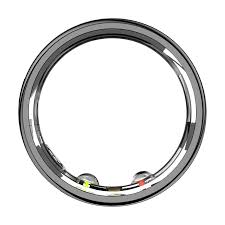
Smart rings have become an interesting option for people who want wearable technology without the size of a traditional smartwatch. These compact devices can offer activity tracking, sleep insights, heart-rate monitoring, and other wellness-related features, depending on the model.
Unlike smartwatches, smart rings generally have a minimal design that resembles ordinary jewelry. Their smaller size makes them attractive to users who prefer lightweight accessories or do not want a screen on their wrist throughout the day.
What Makes Smart Rings Worth Exploring?
Smart rings are designed to collect selected health and activity measurements through miniature sensors. Depending on the device, these measurements may include heart rate, sleep duration, daily movement, and other wellness indicators.
Their main appeal is convenience. Users can wear a ring during everyday activities and review information through a connected smartphone application.
However, features differ considerably between products. Buyers should check which measurements are actually supported, how the application presents information, and whether any functions require additional payments.
Exploring the Colmi R10 Smart Ring UK Market
People researching the Colmi R10 smart ring UK market should begin by examining the product’s specifications, compatibility, design, and available retailer information. Looking at these details before purchasing can help determine whether the device offers the features required for everyday wellness tracking.
Important considerations include smartphone compatibility, battery life, charging arrangements, water-resistance specifications, and the quality of the companion application. Buyers should also review the seller’s warranty, return policy, and delivery conditions before placing an order.
When reading a review of the Colmi R10, distinguish between verified specifications and general expectations about smart rings. Product features can vary by model, firmware, and region, so current manufacturer information should take priority over assumptions based on other wearable devices.
Is a Budget Smart Ring Suitable for Everyday Tracking?
A budget smart ring with heart rate tracking may appeal to people who want to explore wearable technology without investing in an expensive premium device.
Affordable smart rings can provide a convenient introduction to activity and wellness tracking. However, buyers should investigate the quality of the sensors, the reliability of the software, and the range of available measurements rather than judging a device solely by its price.
Heart-rate readings can be affected by movement, sensor positioning, skin contact, and individual differences. Consequently, readings from consumer wearables should be treated as estimates rather than medical diagnoses.
For users who want a straightforward wearable accessory, comparing affordable smart rings with entry-level fitness bands can reveal which option offers the most useful combination of comfort, features, and price.
Smartphones: Reviews That Reveal More Than Specifications
Smartphones remain among the most important technology purchases for many consumers. They combine communication, photography, entertainment, navigation, productivity, and online services in a single device.
Because smartphones can be expensive, researching them before purchasing is particularly valuable.
Camera Quality and Photography Features
Camera performance is one of the most frequently discussed subjects in smartphone reviews. However, megapixel counts alone do not determine whether a camera produces good photographs.
Look for reviews that examine image detail, low-light performance, color reproduction, portrait photography, video stabilization, and front-camera quality.
Sample photographs taken in different environments provide more useful evidence than promotional images. Buyers should also consider whether the camera application offers convenient controls and whether video recording meets their needs.
Battery Life and Charging Speed
Battery capacity is another important specification, but actual endurance depends on several factors. Screen brightness, gaming, mobile data usage, background applications, and display technology can all influence battery life.
A reliable review explains how long a phone lasts under typical use and whether charging speeds are practical.
Wireless charging, fast charging, and battery-protection features may also influence the purchasing decision. Nevertheless, buyers should check which accessories are included because some phones are sold without a charging adapter.
Software Updates and Long-Term Support
A smartphone should remain useful well beyond its initial purchase date. Software updates can improve security, correct bugs, and introduce new features.
Before buying, investigate the manufacturer’s update policy and the device’s expected support period. Also consider storage capacity, available memory, repair options, and compatibility with the applications you use most frequently.
Laptops and Computers: Finding the Right Performance Level
Laptops are essential tools for students, professionals, content creators, and people who prefer working from home. The best choice depends on the tasks the computer needs to handle.
A laptop designed for basic browsing may not be suitable for demanding video editing or modern gaming. Reading detailed reviews helps buyers understand these differences.
Processor, Memory, and Storage
The processor affects how efficiently a computer handles tasks, while memory influences how well it manages multiple applications simultaneously. Storage capacity determines how much information, software, and media can be saved locally.
For everyday browsing, document editing, and online learning, an entry-level computer may be sufficient. More demanding workloads may require additional memory, a stronger processor, or dedicated graphics hardware.
Reviews should explain practical performance rather than relying entirely on benchmark numbers.
Display, Keyboard, and Portability
Display quality matters for long working sessions. Resolution, brightness, color reproduction, and viewing angles can all affect the experience.
The keyboard and trackpad deserve attention because they influence daily productivity. Users who frequently travel should also examine the laptop’s weight, dimensions, battery life, and charging options.
A slightly less powerful laptop may be a better choice if it offers superior portability and comfortably handles the user’s regular tasks.
Connectivity and Upgrade Options
Before purchasing, check the available USB ports, display connections, wireless standards, and other interfaces. Buyers who use external monitors, storage drives, or specialized equipment should confirm compatibility.
It is also useful to determine whether the laptop’s memory and storage can be upgraded later. Reviews that explain repairability and upgrade limitations can help buyers estimate long-term ownership costs.
Wireless Earbuds and Headphones: Sound Quality Meets Convenience
Wireless audio devices are popular among commuters, students, office workers, and fitness enthusiasts. They provide convenient access to music, podcasts, calls, and other audio content.
However, choosing the right pair involves more than comparing advertised battery life.
Audio Quality and Noise Cancellation
Audio reviews should discuss clarity, bass response, vocal reproduction, and performance across different listening environments.
Active noise cancellation can reduce certain environmental sounds, but its effectiveness varies between models and situations. Buyers who travel frequently may prioritize noise reduction, while people who exercise outdoors might prefer designs that allow them to remain aware of surrounding traffic and other hazards.
Comfort and Battery Performance
Earbud comfort depends on shape, weight, ear-tip options, and individual preferences. A design that feels comfortable for one person may not fit another person securely.
Battery claims should also be examined carefully. Manufacturers may quote different figures depending on volume, noise cancellation, and other settings.
A useful review explains both the earbuds’ individual battery life and the additional listening time available from the charging case.
Microphone and Device Compatibility
Call quality is especially important for remote workers and students attending online meetings. Reviews that test microphones in quiet rooms and noisy environments offer a clearer picture of performance.
Buyers should also confirm whether the earbuds support their preferred smartphone, laptop, or tablet and whether advanced features are restricted to particular operating systems.
Smart Home Gadgets That Improve Everyday Convenience
Smart home technology includes connected lights, plugs, cameras, thermostats, sensors, and voice-controlled assistants. These devices can simplify household routines, but compatibility and privacy deserve careful consideration.
Check Ecosystem Compatibility
Not every smart home device works with every platform. Before purchasing, check whether it supports your existing ecosystem and whether a separate hub or bridge is required.
A review should explain the setup process, application quality, automation options, and reliability of the wireless connection.
Evaluate Privacy and Security
Connected devices may collect information about household activity or personal preferences. Buyers should understand what data is collected, how accounts are protected, and whether software updates are provided.
For connected cameras and other security-sensitive products, examine access controls, authentication options, storage arrangements, and the manufacturer’s security practices.
The best smart home gadget is not necessarily the one with the most features. It is the one that works reliably while respecting the user’s privacy and practical requirements.
Fitness Trackers and Smartwatches: Comparing Wellness Features
Fitness trackers and smartwatches help users monitor activity, review workout information, and receive notifications. Some devices also provide heart-rate estimates, sleep summaries, and other wellness indicators.
When comparing these products with smart rings, consider the differences in design, display availability, sensors, battery life, and daily convenience.
Activity Tracking and Workout Support
Fitness devices may record steps, movement, workout duration, and selected exercise metrics. More advanced models may offer GPS, structured training tools, and detailed performance summaries.
Reviews should explain how these features work during actual activities. For example, users who exercise outdoors may benefit from built-in GPS, while those who mainly walk or monitor everyday movement may prefer a simpler device.
Understanding Health-Related Measurements
Heart-rate monitoring and sleep tracking can help users notice general patterns, but consumer devices have limitations. Readings may differ from clinical measurements, and sleep estimates do not replace professional evaluation.
Buyers should investigate which features are supported continuously, which require manual activation, and whether historical data can be reviewed easily.
A good review also explains whether the device offers meaningful information without requiring an ongoing subscription.
Tablets and E-Readers: Choosing Devices for Reading and Productivity
Tablets offer a middle ground between smartphones and laptops. Their larger displays can be useful for reading, online classes, entertainment, digital drawing, and light productivity.
E-readers, by contrast, are designed primarily for digital books and often emphasize comfortable reading and extended battery life.
Screen Quality and Intended Use
A tablet’s display size, resolution, brightness, and refresh rate influence how suitable it is for different activities. People who plan to draw or take handwritten notes should also investigate stylus support and palm rejection.
E-reader buyers should pay attention to screen readability, lighting adjustments, font controls, and supported ebook formats.
Accessories and Software
A tablet may become more useful with a keyboard case, stylus, or protective cover. However, these accessories can increase the total purchase price.
Reviews should also assess application availability, multitasking features, software support, and file compatibility.
For buyers who mainly read novels, an affordable e-reader might offer better value than a feature-rich tablet. For those who combine reading with video calls and productivity tasks, a tablet may be more versatile.
How to Identify Reliable Gadget and Tech Reviews
Not all online reviews provide equally useful information. Some focus primarily on promotional claims, while others omit important limitations or fail to explain how a product was tested.
Learning to evaluate review quality can help buyers separate useful advice from unsupported recommendations.
Look for Detailed Testing
A strong review explains the testing process and gives examples of everyday performance. Battery tests, camera samples, connectivity checks, and comfort assessments are more informative when the reviewer explains the conditions involved.
For wearable devices, look for clear distinctions between advertised features and functions verified during testing.
Compare Multiple Independent Sources
Reading several reviews can reveal whether a product’s strengths and weaknesses appear consistently. One reviewer may emphasize battery life, while another investigates software reliability or build quality.
Customer feedback can provide additional insight into long-term problems, although individual experiences may not represent every device.
Check the dates of reviews because software updates, product revisions, and changing prices can affect whether older information remains relevant.
Recognize Affiliate Links and Sponsored Content
Some technology websites earn commissions when readers purchase products through their links. Others publish sponsored reviews or receive products from manufacturers.
These arrangements do not automatically make a review unreliable, but transparency matters. Look for clear disclosures, balanced assessments, and evidence supporting the reviewer’s conclusions.
Be cautious of articles that promise perfect performance, ignore every disadvantage, or repeatedly recommend products without explaining why.
Build a Practical Gadget Buying Checklist
Before purchasing any electronic device, create a checklist that reflects your priorities.
Define Your Main Purpose
Start by identifying the problem the gadget should solve. A smart ring may be useful for convenient wellness tracking, while a smartwatch might be more suitable for people who need notifications and workout controls on their wrist.
Similarly, a laptop should be selected according to its intended workload rather than its appearance alone.
Establish a Realistic Budget
Set a spending limit and compare products within that range. Remember to include necessary accessories, potential subscription charges, delivery fees, and maintenance costs.
An inexpensive device may offer excellent value if it meets your needs, while a more expensive model may justify its price through better reliability, longer support, or genuinely useful features.
Verify Warranty and Return Conditions
Before ordering, confirm the seller’s reputation, warranty coverage, return window, and refund conditions. International purchases may involve additional shipping costs, taxes, or restrictions.
For shoppers researching the Colmi R10 smart ring UK market, checking whether the seller provides appropriate regional support and clear return arrangements is particularly important.
Confirm Compatibility
Make sure the gadget works with your existing devices, operating system, applications, and accessories. Compatibility issues can reduce the usefulness of even a well-reviewed product.
For connected devices, verify whether important functions work without additional equipment or paid services.
Final Thoughts: Make Better Decisions With Technology Reviews
The best gadget and tech reviews help consumers understand what they are buying, how a product performs, and whether it offers meaningful value. Whether you are exploring smartphones, laptops, wireless headphones, smart home devices, or wearable technology, thorough research can reduce uncertainty and improve your purchasing decisions.
Smart rings are particularly interesting for people seeking compact wellness accessories. When comparing the Colmi R10 smart ring UK options or searching for a budget smart ring with heart rate tracking, examine verified specifications, application compatibility, sensor limitations, battery performance, and seller policies before making a decision.
Ultimately, the right gadget is not necessarily the newest, most expensive, or most heavily advertised product. It is the device that fits your budget, meets your requirements, and performs reliably in everyday use. By comparing independent reviews, checking manufacturer information, and focusing on features that genuinely matter, you can approach your next technology purchase with greater confidence.