
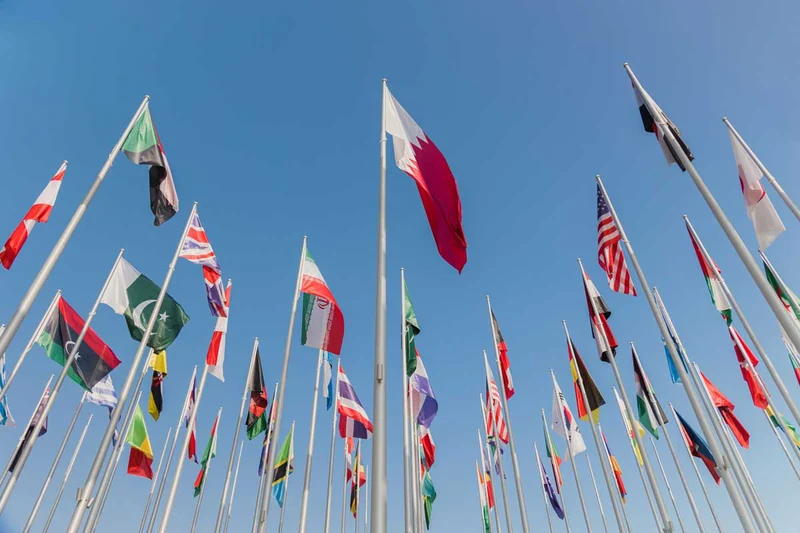
Whether you are looking to display national pride, advertise a business, or add vibrant decor to an outdoor event, choosing the right flag is an important decision. A flag is often subjected to harsh environmental elements, including intense sunlight, strong winds, rain, and fluctuating temperatures. Because of these factors, not all flags are created equal. When you prepare to buy flag items, recognizing the subtle differences in craftsmanship, material selection, and construction techniques can mean the difference between a flag that lasts for years and one that frays within weeks.
Understanding how to evaluate durability, color retention, and overall workmanship will ensure you make an informed purchase that offers the best value for your investment.
Understand the Importance of Material Selection
The foundational element of any durable flag is the fabric from which it is made. When you browse options to buy flag merchandise, you will typically encounter three primary materials: nylon, polyester, and cotton. Each material possesses distinct characteristics tailored to specific environments and usage requirements.
Nylon Flags for Versatility and Flyability
Nylon is widely considered the most popular material for outdoor flags. It is lightweight, strong, and highly resistant to weather elements. Because nylon is light, flags made from this material can fly effortlessly in even gentle breezes. Additionally, nylon fibers absorb color deeply during the manufacturing process, resulting in bright, vivid hues that resist fading from ultraviolet light exposure. If you plan to fly your display outdoors in average weather conditions, nylon is often the top choice when you buy flag products.
Heavy-Duty Polyester for Extreme Weather
If you live in a high-wind area or intend to display your flag continuously in demanding conditions, heavy-duty 2-ply woven polyester is the ideal material. Polyester is heavier than nylon, meaning it requires slightly stronger winds to fly freely, but its resistance to tear and fraying is unmatched. The thick weave provides maximum durability, making it the preferred standard for long-term outdoor exposure.
Cotton Flags for Indoor Display and Tradition
Cotton offers a classic, traditional aesthetic with rich texture and matte finishes. However, cotton is natural fiber and absorbs moisture easily, making it prone to mildew, fading, and heavy wear when exposed to rain or damp conditions. Therefore, cotton flags are best suited for indoor displays, formal ceremonies, framing, or short-term historical reenactments.
Examine the Stitching and Construction Quality
Even the highest quality fabric will fail prematurely if the construction quality is poor. Inspecting the seams, hems, and stitching methods is one of the most reliable ways to assess overall quality before you buy flag items.
Look for Reinforced Fly Ends
The outer edge of a flag—known as the fly end—experiences the greatest strain as it whips in the wind. Standard flags often feature basic single or double stitching along this edge, which quickly breaks down under constant motion. A quality flag will feature reinforced fly ends with four or more rows of lock-stitching, often supplemented with box-stitching at the corners. This extra reinforcement prevents unraveling and dramatically extends the lifespan of the fabric.
Check the Header and Grommets
The header is the thick, sturdy band along the hoist edge that attaches the flag to the flagpole. High-quality flags feature headers made from heavy-duty canvas or heavy nylon webbing. Attached to the header are grommets or rings. Look for solid brass grommets that are securely crimped into the canvas. Brass resists rust and corrosion, ensuring that the attachment points remain intact despite exposure to moisture and tension.
Evaluate Color Application and Print Techniques
The visually striking appearance of a flag depends entirely on how the color and design are applied to the fabric. Faded or uneven colors quickly diminish the impact of your display.
Printed vs. Embroidered and Sewn Details
When evaluating flags, you will encounter two main styling methods: printed flags and embroidered or sewn flags. Printed flags feature designs stamped or sublimated directly onto the fabric. While high-definition digital printing yields sharp, colorful results, sewn flags elevate the quality significantly. On flags with complex designs, such as national flags with stars or stripes, embroidered details feature individual fabric panels sewn together with densely stitched patterns. Embroidered elements provide a tactile, premium look that remains beautiful over time.
Color Penetration and UV Resistance
If you choose a printed design when you buy flag products, verify whether the dye penetrates fully through to the back side. Premium flags use dye-sublimation processes where color permeates the fibers entirely, offering near-equal vibrancy on both sides. Cheaper options often print only on one side, leaving the reverse side faded or washed out. Furthermore, ensure the manufacturer treats the fabric with UV inhibitors to protect the colors from sun bleaching.
Consider the Hardware and Flying Environment
Finding a quality flag is only part of the equation; matching the product to its intended environment ensures long-lasting performance.
Assessing Wind Conditions
Take time to analyze the weather patterns of your location. In areas with low or moderate wind, lightweight nylon allows for full display even on calm days. For coastal regions or elevated spaces with constant high winds, heavy-duty polyester remains the superior option. Matching fabric weight to wind velocity prevents premature stress on both the flag and the flagpole hardware.
Hardware Compatibility
Ensure that the flag’s attachment hardware matches your flagpole system. While standard brass grommets work well for most residential and commercial poles, larger flags may require heavy rope headers with thimbles or snap hooks for secure mounting. Checking these specifications before you finalize your decision to buy flag products eliminates compatibility issues.
Buy Flag Products with Confidence
Investing in a quality flag requires paying attention to details that go beyond surface appearance. By focusing on durable materials like heavy nylon or 2-ply polyester, verifying reinforced stitching along the fly end, demanding rust-resistant brass grommets, and selecting vibrant, UV-resistant colors or embroidered designs, you ensure your flag remains a proud and lasting symbol. Taking these extra steps allows you to choose with confidence, enjoying a high-grade product that stands up to the test of time and weather.