
The modern vape shop operates at the intersection of consumer lifestyle, public health policy, and complex commercial law. Over the past decade, the vaping industry has evolved from a niche market into a global retail sector. Whether opening a new business or seeking a deeper understanding of the market, navigating this landscape requires a clear grasp of product offerings, local and federal regulations, and retail operational standards.
OneHubPOS
The Anomaly of the Modern Vape Shop Inventory
Understanding the product lineup is essential for managing supply chains, staff training, and customer experience. A typical vape shop categorizes its inventory into hardware, e-liquids, and consumable accessories.
Hardware and Vaping Devices
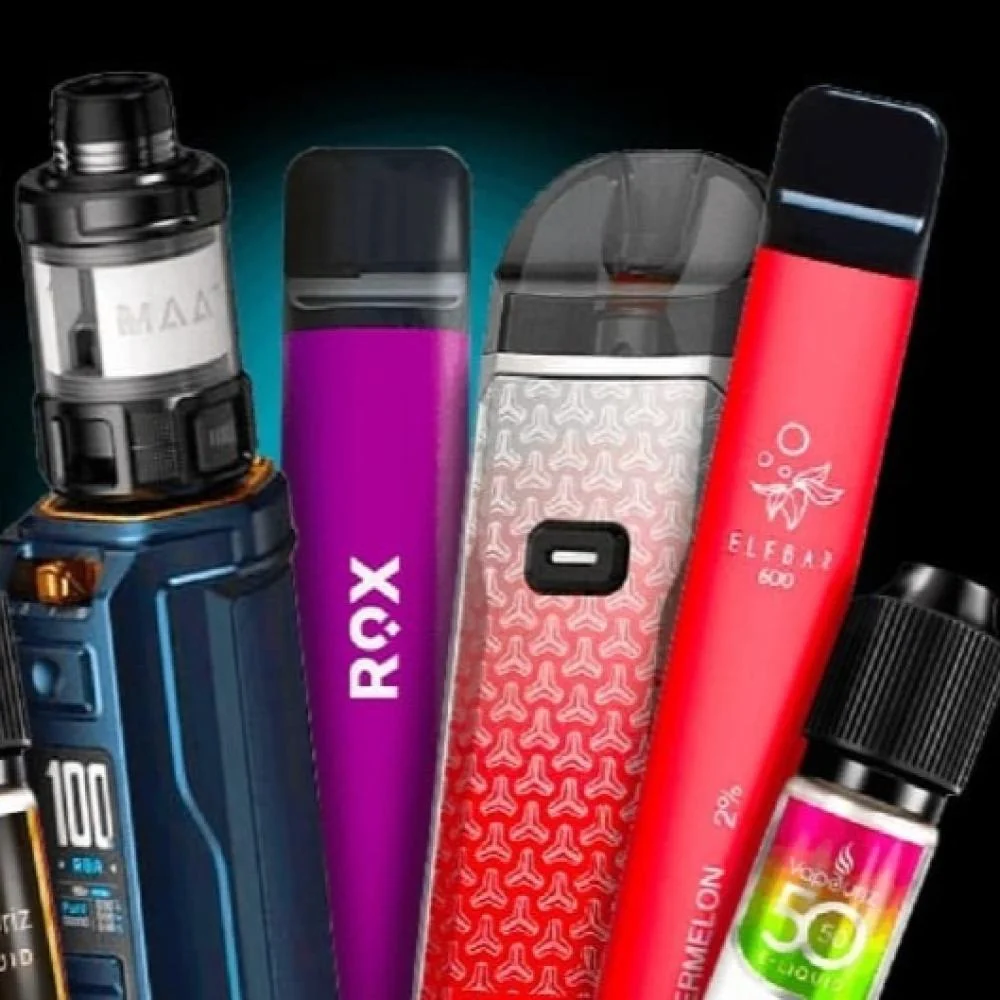
Hardware generally falls into three distinct tiers:
- Disposable Vapes: Pre-charged and pre-filled devices designed for single-use or short-term convenience.
- Pod Systems: Compact, reusable devices that utilize replaceable or refillable pods. These systems cater to consumers seeking portability and ease of maintenance.
- Box Mods and Advanced Personal Vaporizers (APVs): High-powered devices offering customizability over wattage, temperature, and airflow. Modern vape shop retailers cater to experienced users through these modular setups.
E-Liquids and Formulations
E-liquids consist of vegetable glycerin (VG), propylene glycol (PG), flavorings, and nicotine. Every reliable vape shop stocks two primary nicotine categories:
- Freebase Nicotine: Provides a stronger throat hit and is typically used in low nicotine concentrations with high-power box mods.
- Nicotine Salts: Formulated with a lower pH level, allowing for higher nicotine concentrations with a smoother inhale, commonly paired with low-power pod systems.
Regulatory Compliance and Legal Frameworks
The regulatory environment governing any vape shop is rigorous. Managing a compliant establishment requires adhering to rules established by national, state, and municipal authorities.
OneHubPOS+ 1
Age Verification and Youth Prevention
Operating a successful vape shop mandates strict age compliance. Under Federal Tobacco 21 (T21) laws in the United States and similar legal frameworks worldwide, selling vaping products to anyone under 21 is illegal.
OneHubPOS
A compliant vape shop implements strict ID verification policies. Staff should be trained to check physical, government-issued IDs for any customer who appears under 30. Modern Point of Sale (POS) systems equipped with integrated ID scanners serve as an automated layer of defense against accidental illegal sales.
OneHubPOS
Product Authorization and Regulatory Approvals
In the United States, electronic nicotine delivery systems (ENDS) must undergo the Premarket Tobacco Product Application (PMTA) process managed by the FDA to maintain legal authorization. In the European Union and the United Kingdom, products must comply with Tobacco Products Directive (TPD) rules, which cap e-liquid bottle sizes and limit nicotine concentrations to 20 mg/mL. A responsible vape shop owner only sources inventory from verified distributors who demonstrate complete regulatory compliance.
J&JCC Group
Licensing, Zoning, and Local Ordinances
Opening and maintaining a vape shop requires obtaining specific permits beyond standard business operational licenses:
OneHubPOS
- Retail Tobacco Licenses: Mandatory in most jurisdictions to sell nicotine products legally. OneHubPOS
- PACT Act Registration: Required for businesses shipping products or utilizing delivery networks. National Retail Solutions
- Zoning Restrictions: Local municipal codes frequently dictate distance requirements separating a vape shop from schools, daycare centers, and public parks. Vapor Technology Association
- Flavor Restrictions: Several regions enforce strict bans on flavored e-liquids outside of tobacco or menthol profiles. Retailers must continuously track local ordinance updates.
Operational Excellence and Retail Standards
Beyond legal compliance, maintaining high operational standards builds customer loyalty and protects brand integrity. A modern vape shop must prioritize customer safety, cleanliness, and structured staff education.
Customer Safety and Product Storage
Nicotine and lithium-ion batteries require careful handling and storage:
| Product Category | Storage Standard | Risk Mitigation |
|---|---|---|
| E-Liquids | Store in a cool, dry, dark environment away from direct sunlight | Prevents nicotine oxidation, flavor degradation, and bottle degradation |
| Batteries & Mods | Store in insulated cases, maintain charge cycles, avoid extreme temperatures | Prevents thermal runaway, battery venting, and short circuits |
| Packaging & Hardware | Retain original child-resistant caps and tamper-evident packaging | Prevents accidental ingestion by minors or unauthorized tampering |
Staff Training and Responsible Communication
Employees at a vape shop act as front-line advisors for consumers. Store management must establish strict communication guidelines:
- No Health or Cessation Claims: Staff must never frame vaping products as approved medical smoking-cessation devices or claim they carry zero risk. Vapor Technology Association
- Product Literacy: Employees must understand battery safety, ohm’s law (for rebuildable devices), and appropriate device-liquid pairing to prevent hardware damage or user harm.
- Customer Service Excellence: Providing an approachable, clean, and organized shop environment helps demystify products for adult shoppers transitioning away from traditional tobacco products.
The Future of the Vape Shop Industry
The retail vaping sector continues to experience constant change. Regulatory oversight is tightening, and consumer preferences shift rapidly between disposable options and modular hardware.
To remain competitive and stable, a modern vape shop must maintain rigorous regulatory compliance, adapt to legal changes, source high-quality products, and elevate customer service standards. By maintaining these high operational benchmarks, a vape shop positions itself as a responsible and resilient business within the modern retail marketplace.
The Vapeist
TPD Compliance: Key to Vape Safety and Indu