
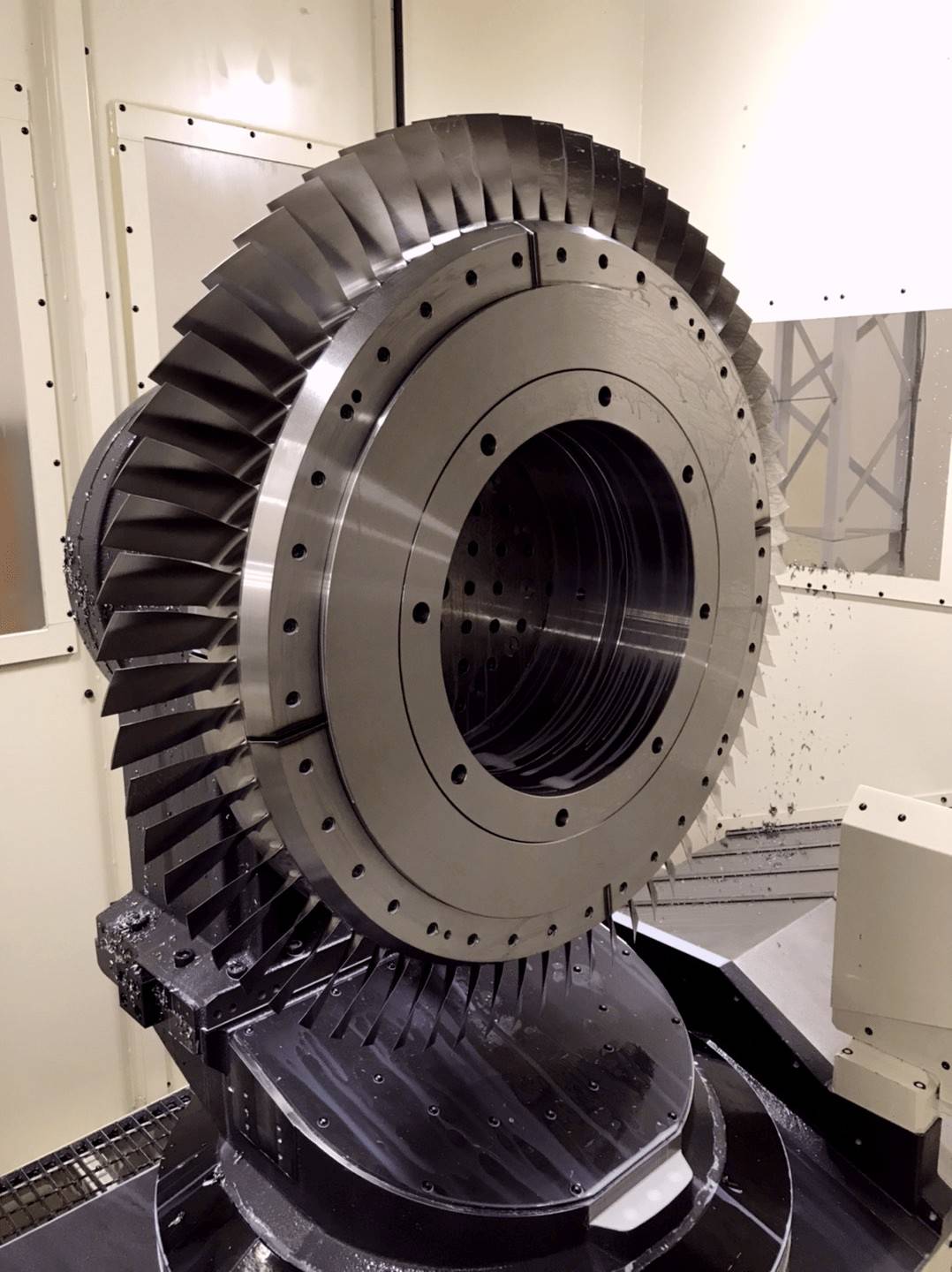
The manufacturing industry has experienced significant transformation over the years, with advanced technologies replacing many conventional production methods. Among these innovations, CNC machining has become one of the most reliable solutions for businesses seeking accuracy, efficiency, and cost-effective production. Many companies are now comparing traditional manufacturing approaches with modern CNC solutions to determine the best option for their production needs. In this comparison, CNC Machining China has gained global attention because of its advanced capabilities, competitive pricing, and ability to deliver high-quality components for various industries.
Understanding Traditional Manufacturing Methods
Traditional manufacturing relies heavily on manual operations, skilled labor, and conventional machinery to produce parts and products. Processes such as manual milling, turning, drilling, and fabrication have been used for decades across industries. While these methods have played an important role in industrial development, they often come with limitations related to speed, consistency, and scalability.
One of the biggest challenges of traditional manufacturing is human dependency. Since operators manually control many aspects of production, variations can occur between different batches. Even highly skilled workers may experience difficulties maintaining identical measurements and finishes across large production volumes. This can result in quality issues, increased inspection requirements, and additional production costs.
Traditional methods also require longer setup times, especially when producing complex components. Creating customized parts may involve multiple adjustments, manual calculations, and repeated testing. For companies operating in competitive markets, these delays can affect delivery schedules and overall profitability.
The Rise of Advanced CNC Machining Solutions
Computer Numerical Control (CNC) machining has revolutionized the manufacturing sector by introducing automated and highly precise production techniques. CNC machines use computer programming to control cutting tools, allowing manufacturers to produce complex components with exceptional accuracy.
Unlike traditional manufacturing, CNC machining reduces human errors by automating the production process. Once a design is programmed into the machine, it can repeatedly manufacture identical parts with consistent quality. This makes CNC technology ideal for industries requiring precision engineering, including aerospace, automotive, medical devices, electronics, and industrial equipment.
The growing demand for faster production, tighter tolerances, and customized solutions has encouraged many businesses to explore CNC machining providers worldwide. Among these options, CNC Machining China has become a preferred choice for companies looking for advanced manufacturing services combined with cost advantages.
Why Companies Choose CNC Machining China
China has developed into one of the world’s leading manufacturing hubs due to its advanced infrastructure, skilled workforce, and investment in modern technology. Companies across different industries choose CNC Machining China because it provides access to high-quality machining services while maintaining competitive production costs.
One major advantage is technological capability. Many Chinese CNC machining facilities operate advanced equipment, including multi-axis CNC machines, precision milling centers, CNC turning machines, and automated production systems. These technologies allow manufacturers to create highly detailed components with excellent accuracy and surface finishes.
Another important factor is production efficiency. CNC machining reduces manual intervention, allowing manufacturers to complete projects faster compared to traditional production methods. Businesses can produce prototypes, small batches, or large-scale orders with improved speed and reliability.
Cost efficiency is also a key reason behind the popularity of CNC machining services in China. Traditional manufacturing often involves higher labor costs, longer production cycles, and increased material waste. CNC machining optimizes production by improving material usage, reducing errors, and minimizing unnecessary labor requirements.
Precision and Quality Advantages of CNC Machining
Accuracy is one of the most significant differences between CNC machining and traditional manufacturing. Modern CNC systems can achieve extremely tight tolerances, making them suitable for applications where even minor measurement differences can impact performance.
For example, industries such as aerospace and medical manufacturing require components that meet strict quality standards. CNC machining allows manufacturers to maintain consistent dimensions and specifications throughout production. This level of precision improves product reliability and reduces the possibility of failures.
Quality control is another area where CNC solutions provide advantages. Many CNC machining companies use advanced inspection equipment, including coordinate measuring machines and automated testing systems, to verify component accuracy. This ensures that finished products meet customer expectations and industry requirements.
Faster Prototyping and Product Development
Product development requires speed and flexibility, especially in industries where innovation happens quickly. Traditional manufacturing can make prototyping challenging because creating molds, adjusting tools, and modifying designs often requires significant time and investment.
CNC machining simplifies the prototyping process by allowing engineers to convert digital designs directly into physical components. Companies can quickly test designs, identify improvements, and make modifications before moving into full-scale production.
CNC Machining China providers often support rapid prototyping services, helping businesses reduce development timelines and bring new products to market faster. This advantage is especially valuable for startups and companies developing innovative products that require multiple design iterations.
Customization and Complex Manufacturing Capabilities
Modern businesses increasingly require customized components designed for specific applications. Traditional manufacturing methods may struggle with complex geometries or unique designs because they depend on manual processes and specialized tooling.
CNC machining provides greater flexibility by allowing manufacturers to produce intricate shapes, detailed features, and complex structures. With advanced software and multi-axis machining technology, CNC machines can create components that would be difficult or impossible to manufacture using conventional methods.
This flexibility makes CNC solutions suitable for industries with specialized requirements. Whether producing automotive parts, electronic enclosures, mechanical components, or precision tools, CNC machining offers reliable customization options.
Reducing Waste and Improving Sustainability
Manufacturing companies are increasingly focusing on sustainable production practices. Traditional manufacturing methods can generate significant waste due to manual errors, inefficient cutting processes, and repeated adjustments.
CNC machining improves sustainability by optimizing material usage and reducing production mistakes. Computer-controlled systems follow precise instructions, resulting in fewer rejected parts and less wasted material. Additionally, efficient machining processes help companies reduce energy consumption and improve overall resource management.
Many CNC Machining China suppliers are adopting environmentally responsible practices by using modern equipment and optimized workflows that support sustainable manufacturing goals.
Choosing the Right Manufacturing Approach
While traditional manufacturing still has value for certain applications, CNC machining provides clear advantages for companies requiring precision, speed, and scalability. Businesses must evaluate factors such as production volume, design complexity, budget, and quality requirements when selecting a manufacturing method.
For projects involving simple designs and low production demands, traditional methods may remain practical. However, for companies requiring consistent quality, rapid production, and advanced customization, CNC solutions provide a more efficient alternative.
The increasing adoption of CNC Machining China reflects the global shift toward smarter and more automated manufacturing. Companies are recognizing that advanced CNC technology helps improve productivity, reduce costs, and maintain competitive advantages in demanding markets.
The Future of Manufacturing with CNC Technology
The future of manufacturing will continue moving toward automation, digitalization, and intelligent production systems. CNC machining will remain a critical technology as industries seek faster, more accurate, and more flexible manufacturing solutions.
With continuous improvements in software, robotics, and machine capabilities, CNC systems will become even more efficient and accessible. Companies that adopt advanced CNC solutions will be better positioned to meet changing customer demands and compete in the global marketplace.
CNC Machining China represents this evolution by combining modern technology, skilled expertise, and cost-effective manufacturing solutions. As businesses continue searching for reliable production partners, CNC machining will play an increasingly important role in shaping the future of industrial manufacturing.