
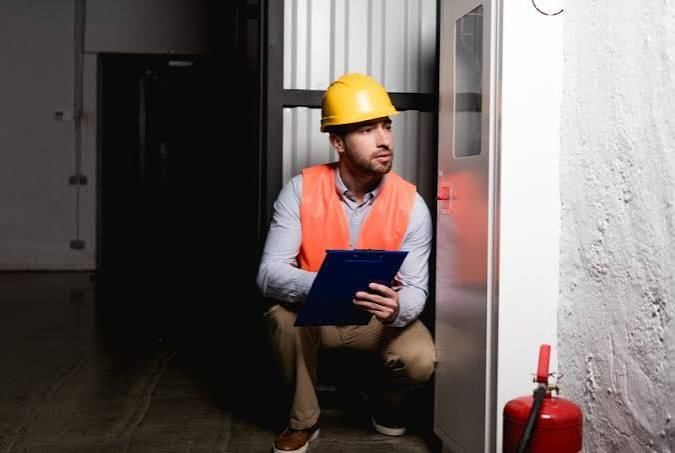
Fire safety is an essential responsibility for businesses, construction sites, residential properties, and public facilities. When a fire alarm system, sprinkler system, or other fire protection equipment is temporarily unavailable, properties may face increased risks. This is where fire watch services Miami can provide an important layer of protection. Trained fire watch personnel monitor a property, identify potential hazards, respond to warning signs, and help maintain safety until normal fire protection systems are restored.
What Are Fire Watch Services?
Fire watch services involve trained personnel who continuously monitor a property for signs of fire, smoke, unsafe conditions, or other potential hazards. Fire watch officers are commonly used when a building’s fire alarm or sprinkler system is under maintenance, damaged, disabled, or not functioning properly.
Unlike regular security services, fire watch personnel have a specific focus on fire prevention and early detection. Their responsibilities can include inspecting designated areas, monitoring fire hazards, keeping access routes clear, and quickly reporting emergencies to the appropriate authorities.
For businesses in Miami, having professional fire watch coverage can help maintain a safer environment during temporary interruptions to fire protection systems.
Why Fire Watch Services Are Important in Miami
Miami has a wide range of commercial buildings, residential properties, construction projects, hotels, restaurants, warehouses, and entertainment venues. Each type of property can have different fire safety concerns.
A temporary failure of a fire alarm, sprinkler system, or other protective equipment can increase the need for additional monitoring. Professional fire watch services provide a physical presence that can help detect problems before they become more serious.
Fire watch officers can regularly patrol designated areas and remain alert for smoke, flames, overheating equipment, blocked exits, unsafe electrical conditions, and other hazards. Early identification allows property managers to take appropriate action quickly.
When Do Businesses Need Fire Watch Services?
Fire watch coverage may be appropriate in several situations. One common example is when a fire alarm system is being repaired or tested. During this period, a trained fire watch officer can monitor the property while the system is unavailable.
Construction and renovation projects may also require fire watch personnel. Welding, cutting, electrical work, temporary wiring, and other activities can create additional fire risks. A dedicated fire watch can help monitor these conditions and report hazards.
Other situations may include sprinkler system maintenance, emergency equipment failures, special events, utility interruptions, or conditions identified during an inspection.
Property owners and managers should always follow applicable local fire safety requirements and consult the relevant authorities when determining whether fire watch coverage is required.
Fire Watch for Construction Sites
Construction sites often contain combustible materials, temporary electrical systems, equipment, and ongoing hot work. These conditions can create additional fire hazards if they are not properly controlled.
Fire watch officers can patrol construction areas, observe work zones, check for signs of smoke or overheating, and report unsafe conditions. They may also monitor areas where hot work is taking place and help ensure that appropriate fire prevention procedures are followed.
A professional fire watch service can provide valuable support for contractors and site managers who need continuous monitoring during higher-risk activities.
Fire Watch for Commercial Properties
Commercial buildings may contain employees, customers, equipment, inventory, and valuable property. A fire-related emergency can quickly disrupt operations and create serious safety concerns.
Fire watch personnel can monitor offices, retail spaces, warehouses, restaurants, hotels, and other commercial facilities. Their presence provides an additional safety measure when standard fire protection systems are temporarily unavailable.
Regular patrols can also help identify hazards such as blocked emergency exits, improperly stored combustible materials, unsafe electrical equipment, or other conditions that may contribute to fire risk.
Responsibilities of Fire Watch Personnel
The exact responsibilities of fire watch officers depend on the property and situation, but commonly include several important duties.
Continuous Monitoring
Fire watch personnel remain attentive throughout their assigned shift. They monitor the property for smoke, flames, unusual odors, overheating equipment, and other warning signs.
Regular Patrols
Officers may conduct scheduled patrols throughout designated areas. These patrols help ensure that potential hazards are identified rather than overlooked.
Hazard Identification
A fire watch officer can identify conditions that may increase fire risk, such as blocked exits, combustible materials near heat sources, or unsafe work practices.
Emergency Reporting
If a fire or other emergency is discovered, personnel can follow established emergency procedures and notify the appropriate emergency services and responsible property representatives.
Documentation
Fire watch personnel may maintain logs documenting patrols, observations, hazards, incidents, and other relevant information. Accurate records can help property managers understand what occurred during the fire watch period.
Benefits of Professional Fire Watch Services
Hiring professional fire watch personnel can offer several practical benefits. The first is increased awareness of potential fire hazards. A dedicated officer can focus specifically on monitoring conditions throughout the property.
Another benefit is continuous human observation when automated fire protection systems are unavailable. Technology is an important part of fire safety, but trained personnel can provide an additional layer of monitoring.
Professional fire watch coverage can also help businesses maintain operations during maintenance or emergency situations. Instead of leaving a property without adequate monitoring, management can arrange dedicated personnel to observe the premises.
Choosing Fire Watch Services in Miami
When selecting a fire watch provider, businesses should consider several factors. Training and experience are important because personnel need to understand fire hazards, emergency procedures, communication protocols, and site-specific requirements.
Reliability is another major consideration. Fire watch coverage may need to operate continuously, including nights, weekends, or holidays. A dependable provider should be able to maintain scheduled coverage and respond appropriately to changing circumstances.
Businesses should also ask about documentation, communication procedures, supervision, and the provider’s familiarity with applicable fire safety requirements.
Fire Watch and Emergency Preparedness
Fire watch services should be considered part of a broader emergency preparedness strategy. Property managers should maintain clear emergency procedures, accessible exits, appropriate fire extinguishers, and effective communication systems.
Employees and occupants should also understand what to do if a fire emergency occurs. Fire watch personnel can support these efforts by monitoring the property and reporting hazards, but they should not replace required fire protection systems or official emergency services.
Conclusion
Fire safety requires preparation, awareness, and continuous attention. When fire alarm systems, sprinklers, or other protective equipment are temporarily unavailable, fire watch services Miami can provide an important additional layer of protection.
From construction sites and commercial buildings to hotels, warehouses, and other properties, trained fire watch personnel can monitor designated areas, identify hazards, conduct patrols, document conditions, and help ensure that emergencies are reported promptly.
For Miami property owners, contractors, and managers, choosing a reliable fire watch provider can help maintain safety during periods when normal fire protection measures are unavailable. By combining professional monitoring with proper fire prevention practices and compliance with applicable requirements, businesses can create a safer environment for employees, customers, residents, and visitors.