
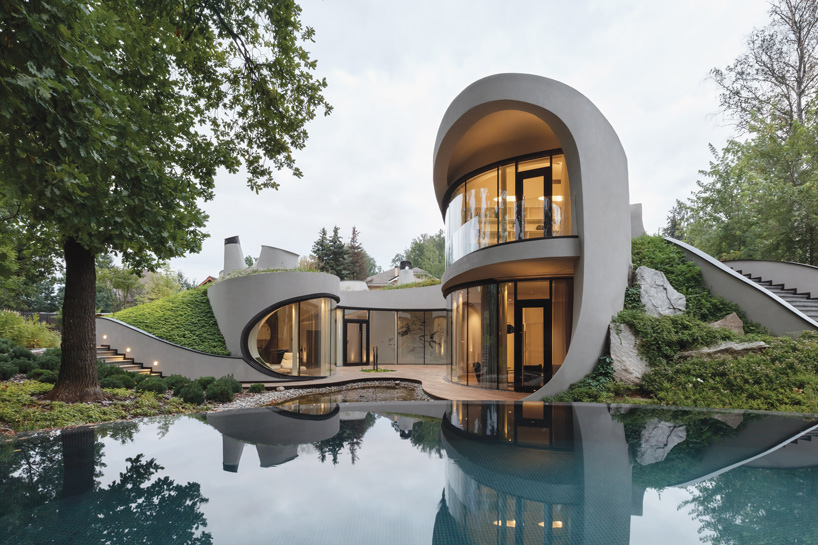
The evolution of architecture & design has entered a transformative era, where traditional spaces are being reimagined as intelligent, responsive, and highly adaptive environments. Smart homes and adaptive spaces are no longer futuristic concepts; they are a reality that combines technology, human-centered design, and sustainability. As cities grow denser and lifestyles demand more flexibility, the integration of adaptive solutions within residential and commercial architecture has become a necessity rather than a luxury. Central to this development is the use of innovative planning tools, precise property identification systems like the erf number, and advanced design strategies that cater to evolving user needs.
The Rise of Smart Homes
Smart homes represent the pinnacle of modern architecture & design, integrating technology seamlessly into everyday living spaces. These homes utilize automated systems for lighting, climate control, security, and entertainment, often controllable through smartphones or centralized hubs. Beyond convenience, smart homes enhance energy efficiency, reduce environmental impact, and provide a safer, more comfortable living environment. For architects and designers, creating a smart home involves a careful balance between aesthetics, functionality, and the incorporation of cutting-edge technology.
Automation in smart homes extends to adaptive spaces that can change according to the occupants’ preferences and needs. For example, motorized walls, modular furniture, and adjustable lighting systems allow a living area to transform into a workspace or a recreational area without compromising on comfort. Such innovations highlight the importance of flexible design strategies in contemporary architecture & design, ensuring that homes are future-ready and capable of adapting to lifestyle changes over time.
Adaptive Spaces: Flexibility at the Core
Adaptive spaces go beyond mere technological integration. They focus on maximizing utility within a limited footprint while enhancing user experience. In densely populated urban areas, adaptive design principles are increasingly critical, enabling multifunctional spaces that respond dynamically to daily activities. Architects use modular structures, retractable partitions, and smart furniture systems to ensure spaces can be repurposed with minimal effort.
Designing adaptive spaces also requires careful consideration of property details, including the erf number—a unique identifier for land parcels. This information is crucial for architects, planners, and developers to assess site dimensions, zoning regulations, and permissible constructions. The erf number ensures that the integration of smart and adaptive features complies with local building codes, land use regulations, and urban planning guidelines, making it an essential component in the planning and design process.
Technological Integration in Architecture & Design
The backbone of smart homes and adaptive spaces lies in technology. Internet of Things (IoT) devices, sensors, and AI-driven systems facilitate the automation and responsiveness of spaces. For example, occupancy sensors can adjust lighting and heating based on room usage, while voice-activated assistants allow residents to control appliances seamlessly. Such integration not only elevates comfort but also promotes sustainability by optimizing energy consumption.
In architectural design, technology also assists in visualization and planning. Advanced 3D modeling software and Building Information Modeling (BIM) platforms enable designers to simulate adaptive functionalities, test layouts, and anticipate potential challenges. Incorporating property-specific details, such as the erf number, into these digital tools ensures that the designs are accurately mapped to real-world conditions. This precision streamlines construction, reduces errors, and aligns the project with legal and regulatory requirements.
Human-Centered Design and User Experience
A critical aspect of smart homes and adaptive spaces is human-centered design. Architects and designers must prioritize user experience, considering how people interact with their environments. Ergonomics, accessibility, and intuitive controls are central to creating spaces that are not only technologically advanced but also comfortable and user-friendly.
Adaptive spaces often include personalized settings that cater to individual preferences, from adjustable furniture heights to dynamic lighting schemes. Smart systems learn from user behavior, allowing spaces to anticipate needs and offer customized experiences. This focus on human interaction ensures that architecture & design transcends aesthetics, creating environments that support well-being, productivity, and lifestyle flexibility.
Sustainability and Energy Efficiency
Sustainability is a cornerstone of contemporary architecture & design, and smart homes are inherently equipped to support green initiatives. Energy-efficient appliances, solar panels, and intelligent climate control systems reduce carbon footprints while lowering utility costs. Adaptive spaces further enhance sustainability by maximizing the use of existing square footage, reducing the need for unnecessary expansions or renovations.
Urban planners and architects must also consider land-specific regulations and documentation when implementing sustainable smart solutions. Here, the erf number plays a pivotal role in identifying plot boundaries, zoning restrictions, and permissible building methods. This ensures that eco-friendly designs are feasible, legally compliant, and optimized for the specific site conditions.
Challenges and Considerations
While the potential of smart homes and adaptive spaces is immense, there are challenges to consider. High upfront costs, technological compatibility issues, and data privacy concerns are some of the barriers that homeowners and designers face. Ensuring that adaptive technologies are future-proof and can integrate with emerging systems is vital for long-term usability.
Moreover, accurate documentation, including the erf number, is crucial for successful project execution. Inaccuracies in land records or misinterpretation of zoning laws can lead to legal complications, construction delays, or costly redesigns. Collaboration among architects, engineers, and local authorities is essential to navigate these challenges effectively.
The Future of Architecture & Design
The future of architecture & design is intrinsically linked to the evolution of smart homes and adaptive spaces. As technology becomes more advanced and accessible, homes will increasingly transform into responsive environments that anticipate and adapt to human needs. Flexible layouts, IoT integration, and personalized user experiences will redefine the way we perceive living and working spaces.
Urban development will also benefit from these innovations. Adaptive design principles will allow cities to accommodate population growth without compromising on quality of life. Strategic use of property-specific information, such as the erf number, will enable planners and architects to design smarter, more resilient communities. This convergence of technology, adaptability, and precise planning heralds a new era in architecture & design—one where spaces are not static, but alive, intuitive, and in harmony with the people who inhabit them.
Smart homes and adaptive spaces represent the fusion of innovation, design intelligence, and sustainability. By embracing these principles, architects and designers are creating environments that are flexible, efficient, and responsive to the dynamic needs of modern living. From the initial planning stages to the integration of advanced technologies, every detail—from understanding the erf number to designing modular interiors—plays a crucial role in shaping the future of architecture & design.