
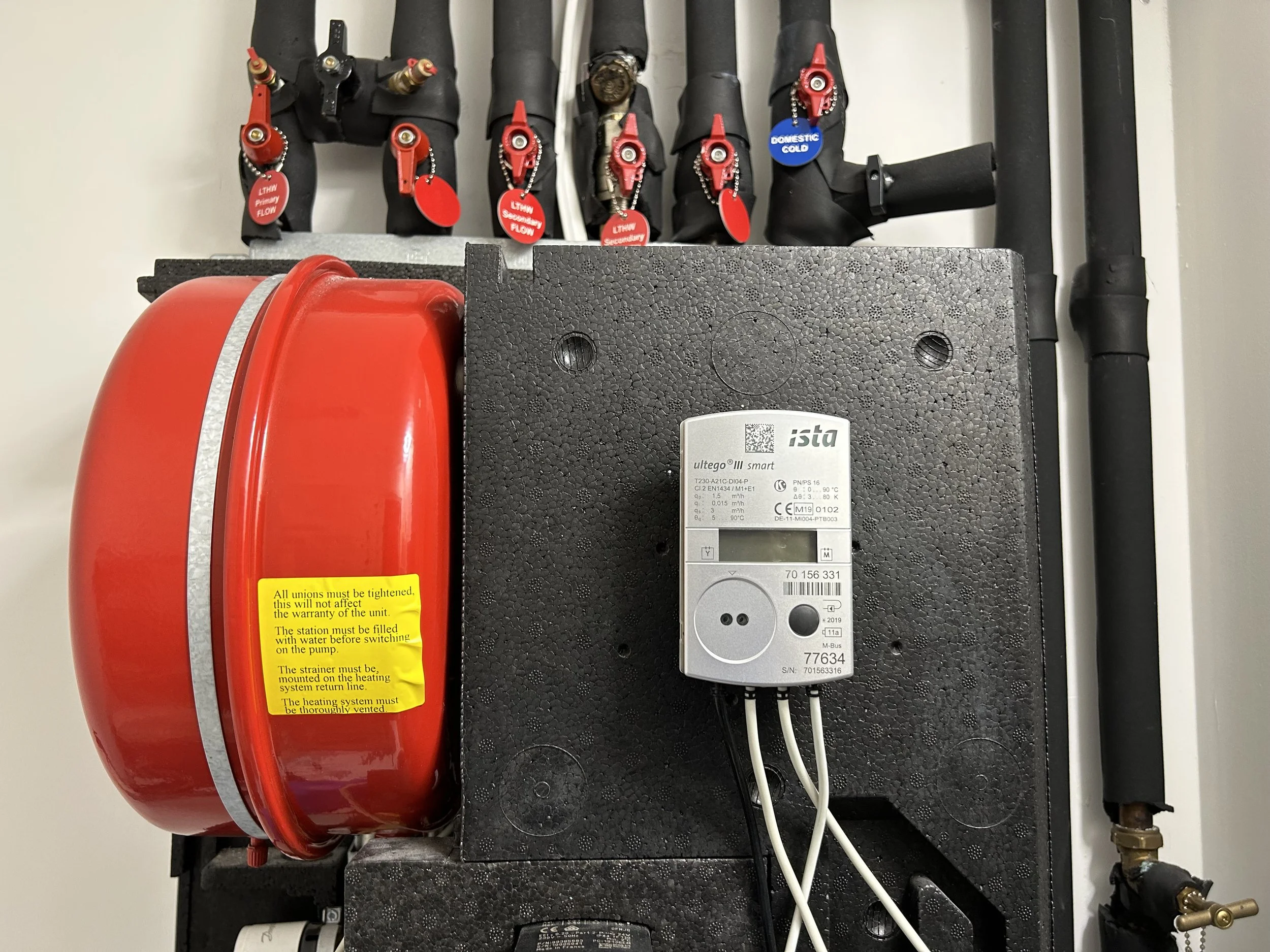
Heat Interface Units (HIUs) play an important role in many modern residential and commercial buildings across London. They provide heating and hot water by transferring thermal energy from a communal or district heating network into an individual property. Like any mechanical system, an HIU can experience faults, reduced efficiency, unusual noises, temperature problems, or complete failure. When these issues occur, professional HIU repair London services can help identify the underlying problem and restore reliable operation.
Understanding the repair process can help property owners, landlords, facilities managers, and residents know what to expect. Professional repair is not simply about replacing a faulty component. It involves inspection, diagnosis, testing, repair, and careful verification to ensure that the unit operates correctly.
Understanding the Role of an HIU
An HIU connects a property to a communal heating system. It normally contains several components that work together to provide domestic hot water and space heating. Depending on the installation, these can include heat exchangers, valves, pumps, strainers, sensors, controllers, and safety devices.
Because several components operate together, identifying a fault can sometimes require detailed investigation. A problem with hot water temperature, for example, may be connected to a sensor, valve, heat exchanger, pressure issue, or another part of the system.
This is why professional HIU repair London work generally begins with diagnosis rather than immediately replacing parts.
Step One: Initial Assessment
The first stage of a professional repair is an initial assessment. The technician will usually gather information about the symptoms being experienced.
A resident or property manager may report issues such as:
- No hot water
- Insufficient heating
- Fluctuating water temperature
- Unusual noises
- Low heating performance
- Warning indicators
- Water leaks
- Pressure-related problems
- Intermittent system operation
The technician considers these symptoms alongside the age, model, installation arrangement, and previous maintenance history of the HIU.
This initial information helps create a starting point for the inspection.
Step Two: Visual Inspection
After discussing the reported problem, the technician carries out a visual inspection of the HIU and surrounding installation. This can reveal obvious issues before more detailed diagnostic procedures begin.
The inspection may include checking visible pipework, connections, valves, electrical components, signs of leakage, corrosion, and general condition. The technician may also look for evidence that components have become damaged, obstructed, or incorrectly adjusted.
A careful visual assessment can help identify potential causes while also highlighting conditions that could affect future reliability.
Step Three: Diagnostic Testing
Once the basic inspection is complete, diagnostic testing can provide more detailed information. Professional HIU repair London technicians may check temperatures, pressures, flow conditions, controls, sensors, and other relevant operating parameters.
Modern HIUs can contain electronic controls and monitoring systems. Fault codes or abnormal readings may provide useful clues about the problem.
However, a displayed fault does not always mean that the indicated component itself needs replacing. The technician may investigate connected components and operating conditions to determine the actual cause.
Accurate diagnosis can prevent unnecessary part replacements and help ensure that the repair addresses the underlying fault.
Step Four: Identifying the Fault
The next stage is to establish what has caused the problem. Some faults may be relatively straightforward, while others can involve several connected components.
For example, poor hot water performance could potentially involve a heat exchanger, control valve, temperature sensor, flow restriction, or another part of the system. Similarly, inconsistent heating may require investigation of controls, valves, circulation, or system conditions.
Professional technicians use their experience, diagnostic equipment, manufacturer information, and observations from testing to narrow down the possible causes.
The goal is to establish a clear repair requirement before work proceeds.
Step Five: Selecting the Correct Repair
Once the fault has been identified, the technician can determine the appropriate repair. Depending on the issue, this could involve cleaning, adjustment, component replacement, reconnection, or another corrective measure.
Replacement parts should be suitable for the specific HIU model and installation. Using an unsuitable component can create further operational problems and may affect system performance.
A professional repair approach therefore considers compatibility, safety, system requirements, and the manufacturer’s specifications.
Step Six: Carrying Out the Repair
The actual repair should be completed carefully and methodically. Where necessary, the relevant system sections are isolated before work begins.
The technician then carries out the required corrective work. This may include replacing a faulty valve, sensor, pump, or other component, addressing a connection problem, cleaning an affected component, or correcting an identified operational issue.
Good workmanship is particularly important because an HIU combines hydraulic, thermal, and sometimes electrical components in a relatively compact system.
After the repair has been completed, the technician does not simply assume that the problem has been resolved.
Step Seven: Testing the Repaired HIU
Testing is a crucial part of professional HIU repair London. The technician checks the unit after repair to confirm that the relevant functions are operating properly.
Depending on the repair, this may involve checking heating performance, hot water delivery, temperature stability, pressure, flow, controls, and safety-related functions.
The technician may also monitor the unit while it operates to identify any remaining abnormal behaviour.
Testing provides an opportunity to confirm that the repair has achieved its intended purpose and that the system is operating consistently.
Step Eight: Checking for Additional Issues
During a repair, technicians may discover other conditions that could affect future operation. These should be communicated clearly to the property owner, manager, or resident.
For example, a technician might identify signs of wear, restricted components, ageing parts, or conditions that could contribute to future faults.
This does not necessarily mean that every additional observation requires immediate replacement. Instead, documenting these findings can help property managers make informed maintenance decisions.
A professional service should distinguish between the immediate repair and recommendations for future attention.
Step Nine: Final System Review
Before completing the job, the technician should review the repaired system and confirm that the relevant connections, controls, and components are functioning as expected.
The work area should also be checked for signs of leakage or other issues created during the repair process.
A final review helps provide confidence that the HIU has been returned to suitable operating condition.
Why Professional HIU Repair Matters
Choosing professional HIU repair London can provide several practical benefits. Proper diagnosis can help avoid unnecessary component replacements, while accurate repairs can support reliable heating and hot water operation.
Professional attention can also help identify developing problems before they become more disruptive. This can be particularly valuable in apartment buildings and managed properties where an HIU fault may affect residents’ comfort and daily routines.
Reliable repair also supports better system management. When faults are documented and addressed correctly, property managers can build a clearer maintenance history for individual units.
Supporting Long-Term HIU Performance
Repair is only one part of maintaining an HIU. Regular servicing, appropriate inspections, and timely attention to developing problems can contribute to longer-term system reliability.
Property owners and facilities teams should keep records of repairs and maintenance activities. These records can help identify recurring problems and provide useful information during future inspections.
Residents can also help by reporting unusual noises, leaks, temperature changes, or warning indicators promptly rather than continuing to operate a system that appears to be malfunctioning.
Conclusion
Professional HIU repair London follows a structured process that goes beyond simply replacing a faulty part. From the initial assessment and visual inspection to diagnostic testing, fault identification, repair, and final performance checks, each stage contributes to a more reliable outcome.
Understanding these steps helps property owners, landlords, facilities managers, and residents appreciate the importance of proper diagnosis and careful repair. With appropriate professional attention, HIU problems can be investigated systematically, repaired correctly, and followed by suitable testing to support dependable heating and hot water performance.